A práxis nos movimentos sociais
reflexões sobre a atuação do Coletive Não Binárie PB
DOI:
https://doi.org/10.9771/peri.v3i20.55706Resumo
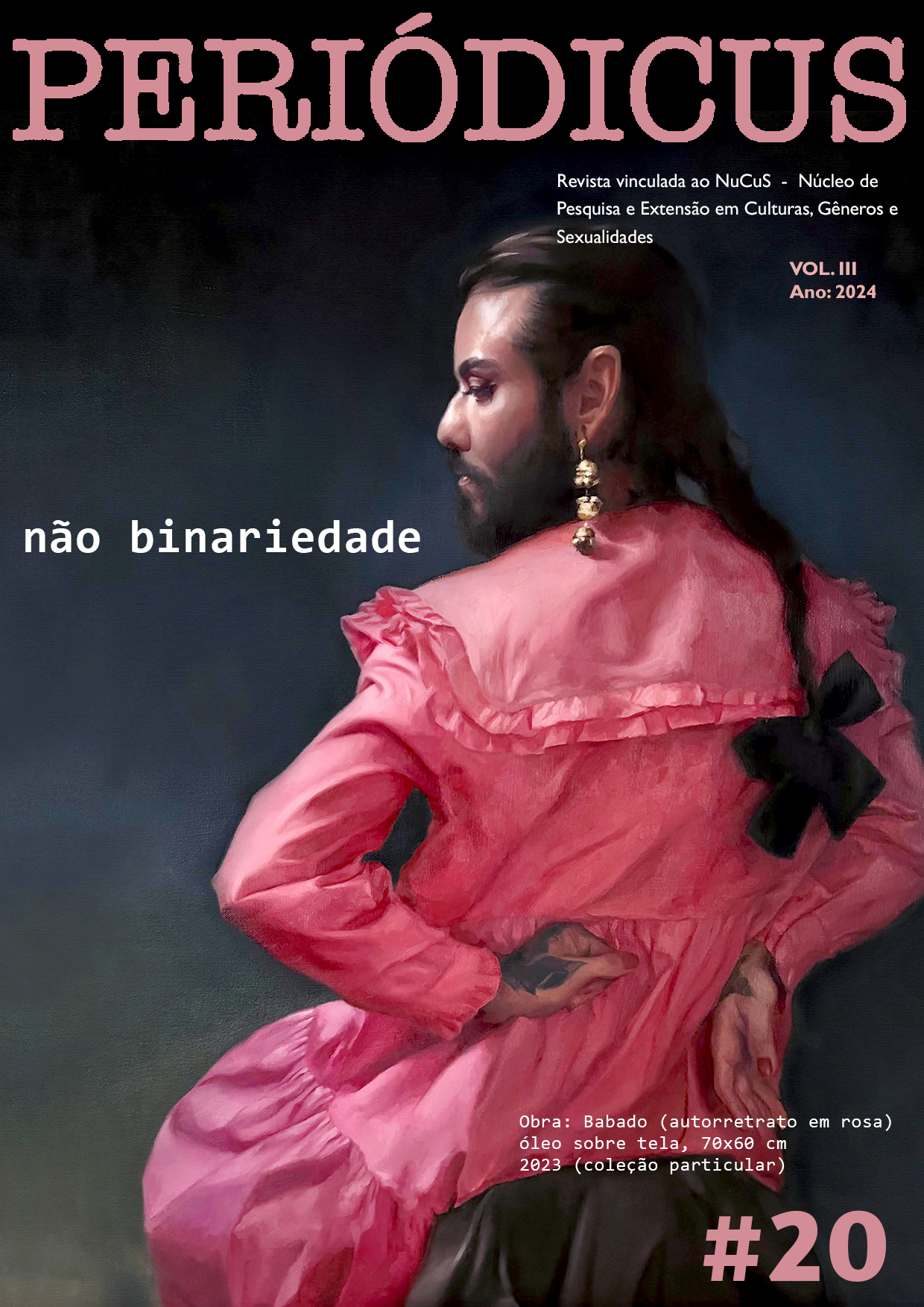
Atualmente, pessoas não bináries ainda precisam conquistar espaço, direito e reconhecimento na sociedade. Tendo isso em mente, em 2021 criamos o Coletive Não Binárie PB para reunir vozes de pessoas dissidentes de gênero e assim construir uma força política. No entanto, ao refletir sobre os elementos que condicionam a subalternização das experiências que destoam das normas de sexo/gênero, percebemos que é importante desenhar uma atuação também pautada em reflexões teóricas. Portanto, este breve texto, que integra elementos ligados ao ensaio teórico e ao relato de experiência, foi escrito com o objetivo de promover reflexão sobre a atuação dos movimentos sociais pautada na ideia da práxis, considerando o contexto da nossa experiência com o Coletive Não Binárie PB. No nível teórico, nos perguntamos sobre as condições nas quais se constroem sexo e gênero na sociedade, e isso nos leva a uma atuação pautada no questionamento das normas sociais que produzem e hierarquizam as diferenças.
Downloads
Downloads
Publicado
Como Citar
Edição
Seção
Licença
Copyright (c) 2024 D'Angelles Vieira, Selme Cabral

Este trabalho está licenciado sob uma licença Creative Commons Attribution-NonCommercial 4.0 International License.
Autores que publicam nesta revista concordam com os seguintes termos:
Autores mantêm os direitos autorais e concedem à revista o direito de primeira publicação, com o trabalho simultaneamente licenciado sob Licença Creative Commons Attribution Noncommercial que permite o compartilhamento do trabalho com reconhecimento da autoria e publicação inicial nesta revista, sendo vedado o uso com fins comerciais.
Autores têm autorização para assumir contratos adicionais separadamente, para distribuição não-exclusiva da versão do trabalho publicada nesta revista (ex.: publicar em repositório institucional ou como capítulo de livro), com reconhecimento de autoria e publicação inicial nesta revista.
Autores têm permissão e são estimulados a publicar e distribuir seu trabalho online (ex.: em repositórios institucionais ou na sua página pessoal) a qualquer ponto antes ou durante o processo editorial, já que isso pode gerar alterações produtivas, bem como aumentar o impacto e a citação do trabalho publicado (Veja O Efeito do Acesso Livre).