Apología de un cuerpo otro
mecánica cuántica, neomaterialismos feministas y el cuerpo como phenomenon
DOI:
https://doi.org/10.9771/peri.v3i20.59883Resumen
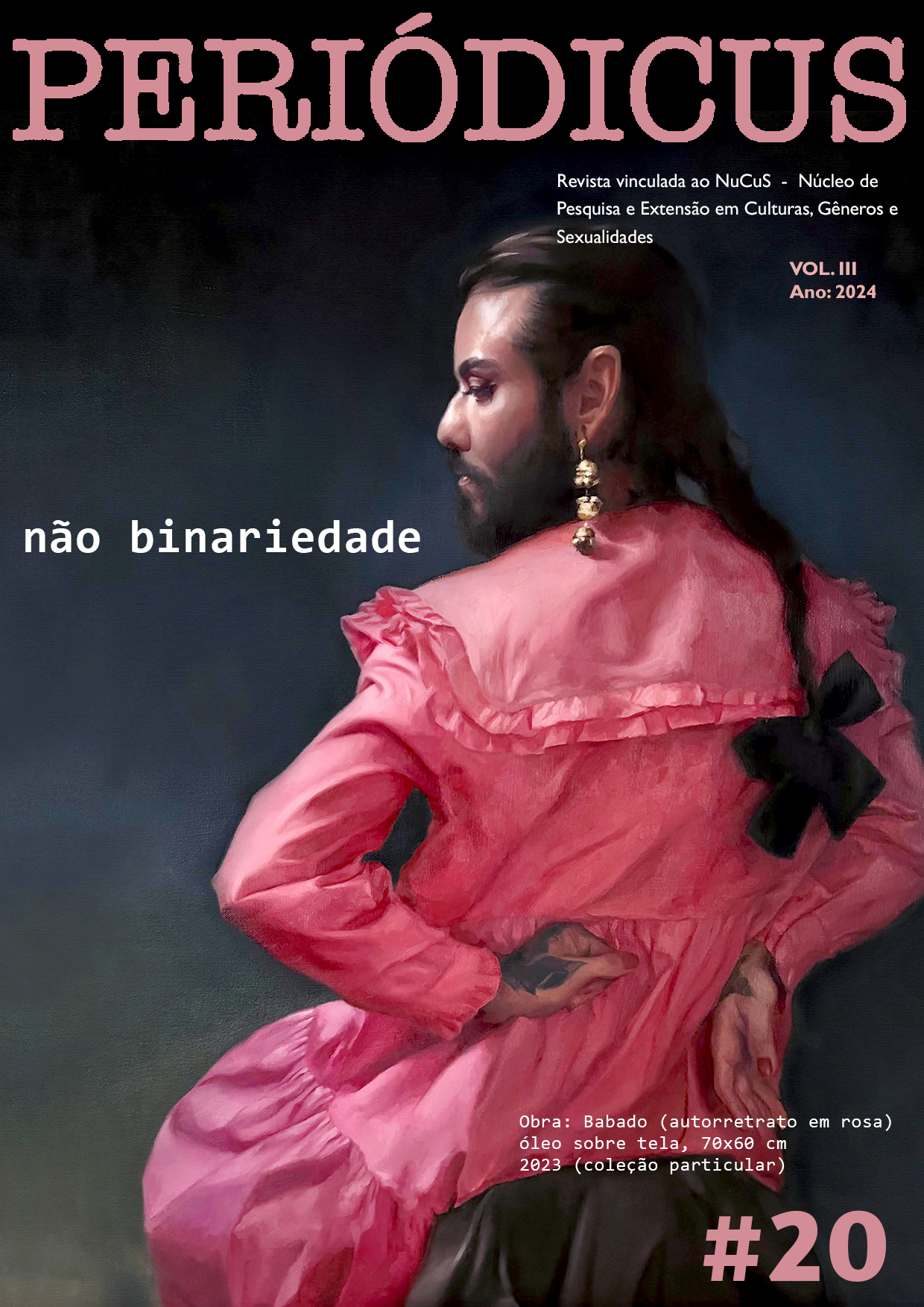
El ensayo aborda la cuestión de cómo reintroducir el tema de la materia en los debates feministas actuales sobre los cuerpos, de modo que no se sucumba a la concepción moderna de la materialidad corporal como pura facticidad biológica, inerte y autosuficiente (posición que tradicionalmente ha sustentado los esencialismos antifeministas) y, al mismo tiempo, no se capitule ante los impulsos lingüísticos totalizantes que marcan muchos de los constructivismos actualmente dominantes en el campo. A través de una vía expositivo-argumentativa fiel a la "infidelidad disciplinar" que ha caracterizado al pensamiento feminista desde su génesis, pretendemos demostrar que la teoría cuántica de Niels Bohr, y su posterior apropiación y radicalización por parte de Karen Barad, ofrecen comprensiones innovadoras de la materia, a partir de las cuales podemos construir una nueva comprensión del cuerpo. En este sentido, proponemos la noción de "cuerpo-phenomenon", una alternativa a lo que llamamos el "modelo corporal epidérmico".
Descargas
Descargas
Publicado
Cómo citar
Número
Sección
Licencia
Derechos de autor 2024 Caynnã Santos

Esta obra está bajo una licencia internacional Creative Commons Atribución-NoComercial 4.0.
Los autores que publican en esta revista aceptan los siguientes términos:
Los autores conservan los derechos de autor y conceden a la revista el derecho de primera publicación, con la obra simultáneamente licenciada bajo una licencia Creative Commons Attribution Noncommercial que permite compartir la obra con reconocimiento de la autoría y publicación inicial en esta revista, quedando prohibido su uso con fines comerciales.
Los autores tienen autorización para asumir contratos adicionales por separado, para la distribución no exclusiva de la versión del trabajo publicado en esta revista (por ejemplo, publicar en un repositorio institucional o como capítulo de un libro), con reconocimiento de la autoría y publicación inicial en esta revista.
Los autores tienen permiso y se les anima a publicar y distribuir su trabajo en línea (por ejemplo, en repositorios institucionales o en su página personal) en cualquier momento antes o durante el proceso editorial, ya que esto puede generar cambios productivos, así como aumentar el impacto y la citación del trabajo publicado (véase El efecto del acceso libre).