ISSN: 2358-0844
Índice h (Scholar) 27
TUTORIALS AVAILABLE
How to make an evaluation (in portuguese)

Thinking about "sudaka" spatiality, we are interested in bringing together works that contemplate the geographic, cultural, linguistic and artistic diversity of subjects, movements, groups and organizations that point to the diversity of epistemologies produced "al borde del borde"1 (Susy Shock, 2013) and that echo the productivity of dissidences in the production of (re)existences. Epistemological rebukes. Theoretical narratives. Bodies in scene. Languagens in dispute: this is the contribution we propose.
1 Translation: on the edge of the edge
ORGANIZATION:
Bruno Alcione Novadvorski Scheeren - Mestre em Artes (PPGArtes/UERJ). Doutorando em Artes (PPGARTES/UERJ)
Christian Gustavo de Sousa - Mestre em Poéticas Visuais (PPGAV/UFRGS). Doutorando em Artes (PPGARTES/UERJ)
Jefferson Gustavo dos Santos Campos - Doutor em Letras (PLE/UEM) / Programa de Pós-graduação em Letras (PPGML/UNIR)
Rose de Melo Rocha - Doutora em Ciências da Comunicação ECA/USP / Programa de Pós-graduação em Comunicação e Consumo (PPGCOM-ESPM)
Sue Gonçalves - Mestrande em Artes Visuais (PPGAV/UFRGS)
Edition with texts from the free section.

This issue features texts from the free section.
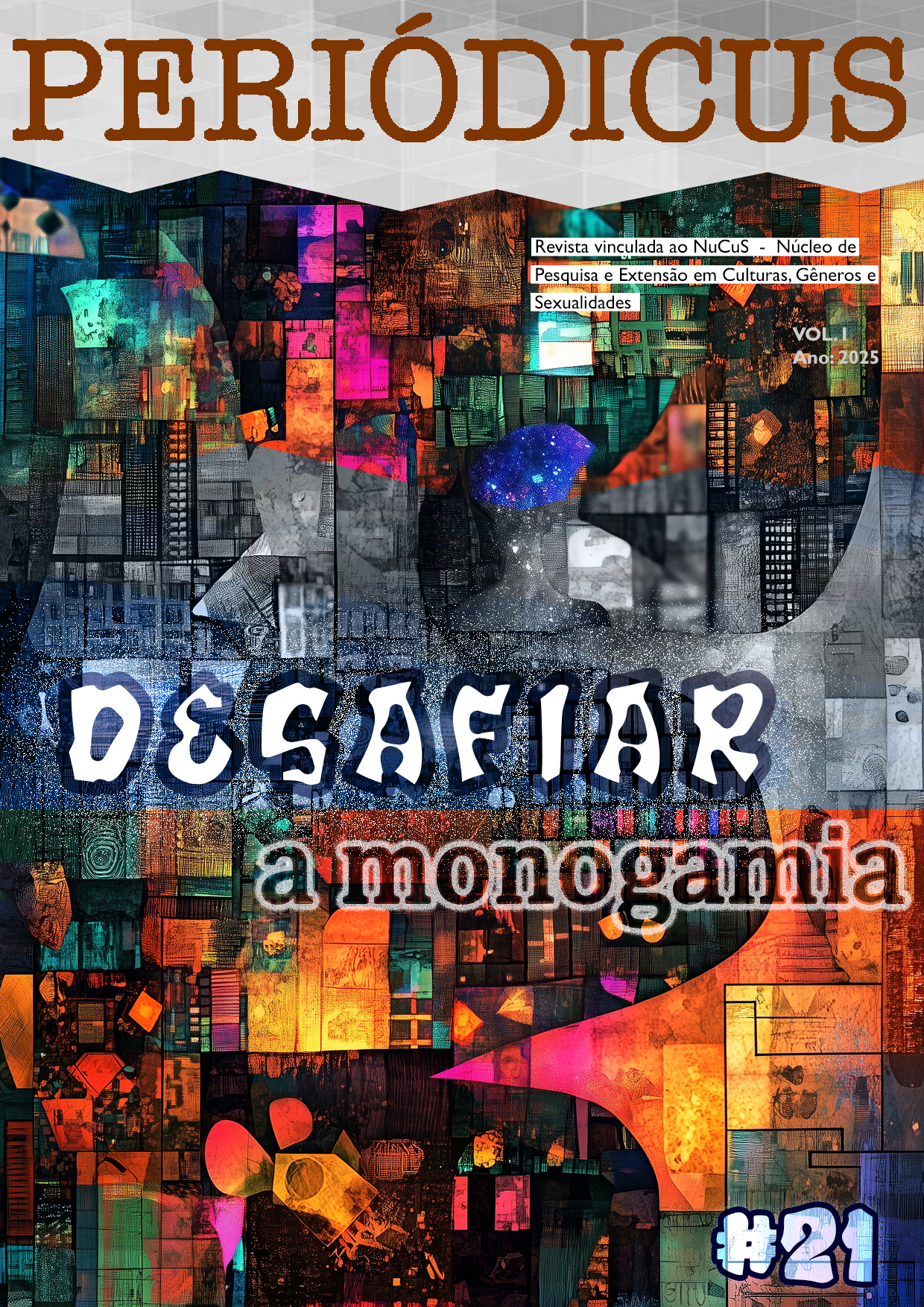
The cultural imperative of monogamy has been a major concern of multiple traditions of struggle and critical thinking that are not always in harmony with each other. The various Marxisms, anarchist and socialist feminists, lesbian feminism, queer and decolonial studies, indigenous epistemologies, among other lines of thought and political militancy, have found in the criticism of the monogamous organization of affect, sexual relations and kinship ties an unexpected meeting point.
Taking this complexity into account, this thematic issue aims to reflect on the new regulations and the challenges to - and against – the norm of monogamy. Far from trying to define the “proper” space for reflection on this topic, we hope to build bridges between various academic disciplines and, at the same time, between practices and communities that are usually not in dialogue.
Organizam
Pablo Pérez Navarro – Centro de Estudos Sociais (CES), da Universidade de Coimbra (Portugal) e Universidade de La Laguna (Espanha)
Mônica Barbosa – Grupo de Pesquisa Políticas, Afetos e Sexualidades Não-Monogâmicas (UFJF)
Geni Núñez - ABIPSI (Articulação Brasileira de Indígenas Psicólogos/as)
Daniel Cardoso – CICANT – Universidade Lusófona, Portugal, FCSH – Universidade Nova de Lisboa (Portugal)
Volume 3 with free section texts.
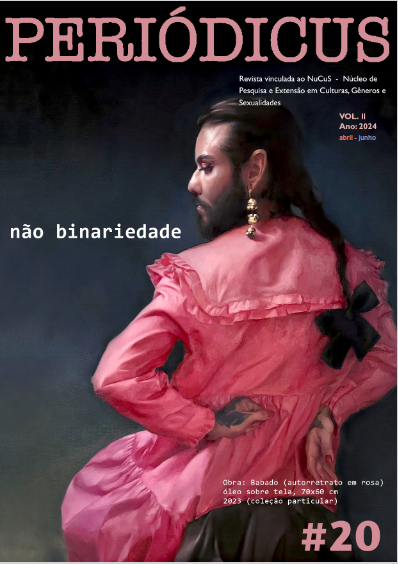
Volume 2 only with texts from the free section.
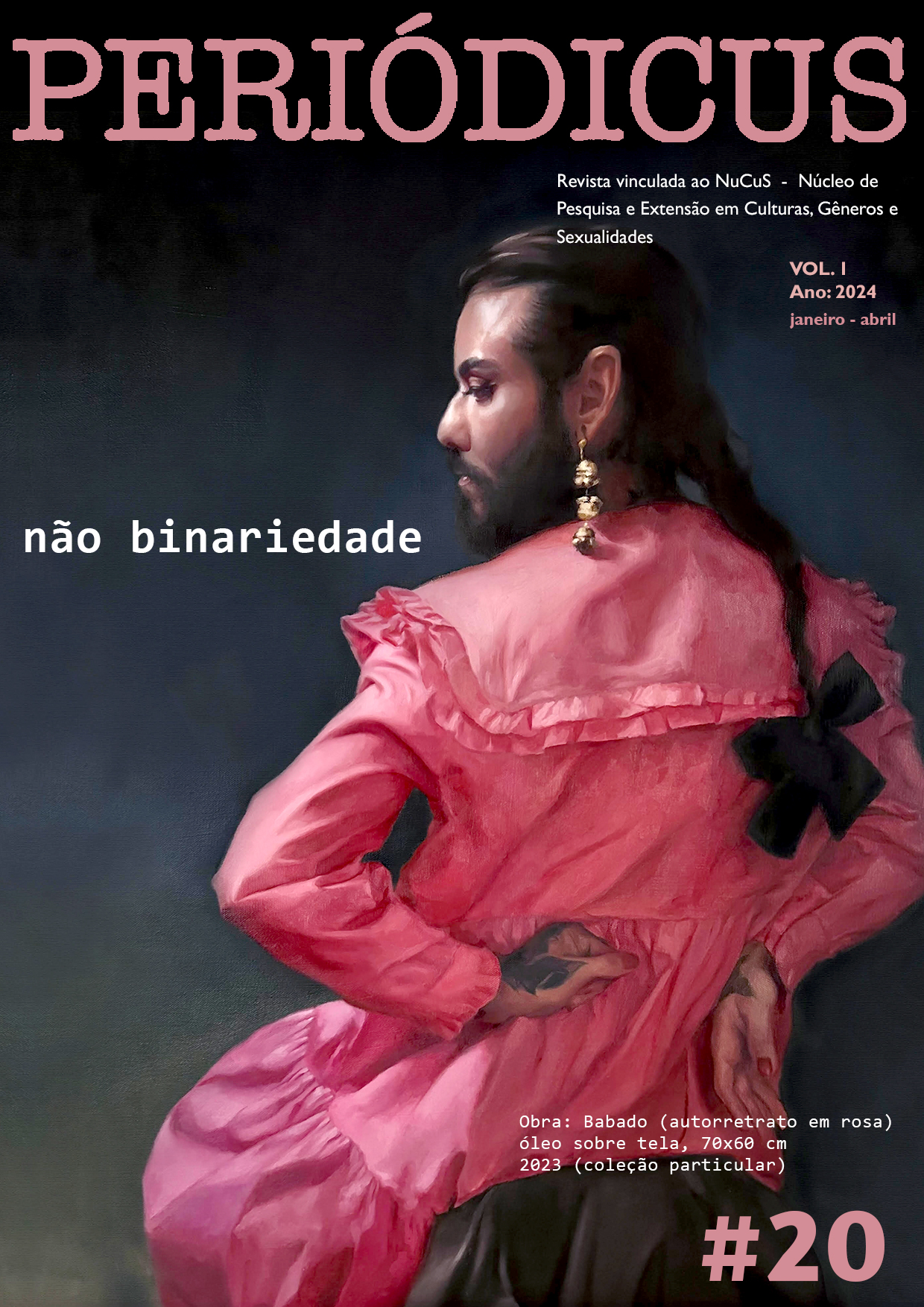
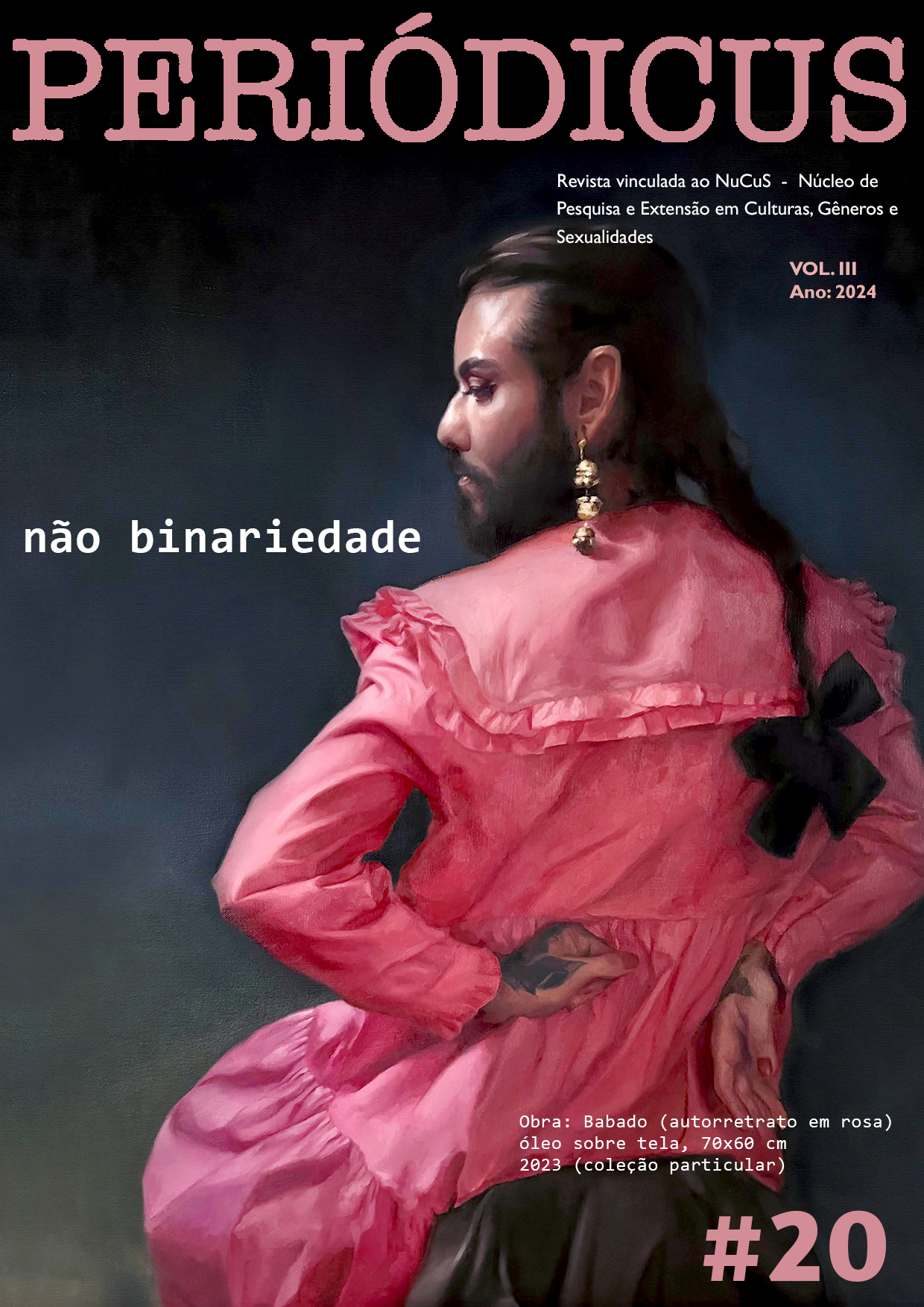
The issue of non binary trans identities has been the subject of increasing visibility and interest in contemporary Brazil, but also target of attacks in different fields. The decision to ban the use of neutral language by the state of Rondônia, a way to refer to non binary people in the Portuguese language, ended up taking the matter to STF Minister Edson Fachin, who decided to cancel the ban in November 2021. In a scenario of emergence of non-binary identities in the cultural and political field, it is essential that we circulate the theoretical-critical reflections that adress the questionings and subjective inter-gender productions, which shakes the binary organizational modes of thought and our way of seeing the world. The proposal of the present dossier, therefore, is a call for theoretical texts, translations, interviews, poems, manifestos, texts of cultural criticism, which thematize the issue of non binaries as transidentities.
Dri Azevedo - Professore substitute do departamento de Teoria Literária da UFRJ e doutora em Literatura, Cultura e Contemporaneidade pela PUC-Rio
Andrey Chagas - Doutorando em Comunicação e Cultura na UFRJ
Walla Capelobo - Mestra em Estudos Contemporâneos das Artes no PPGCA (IACS/UFF)
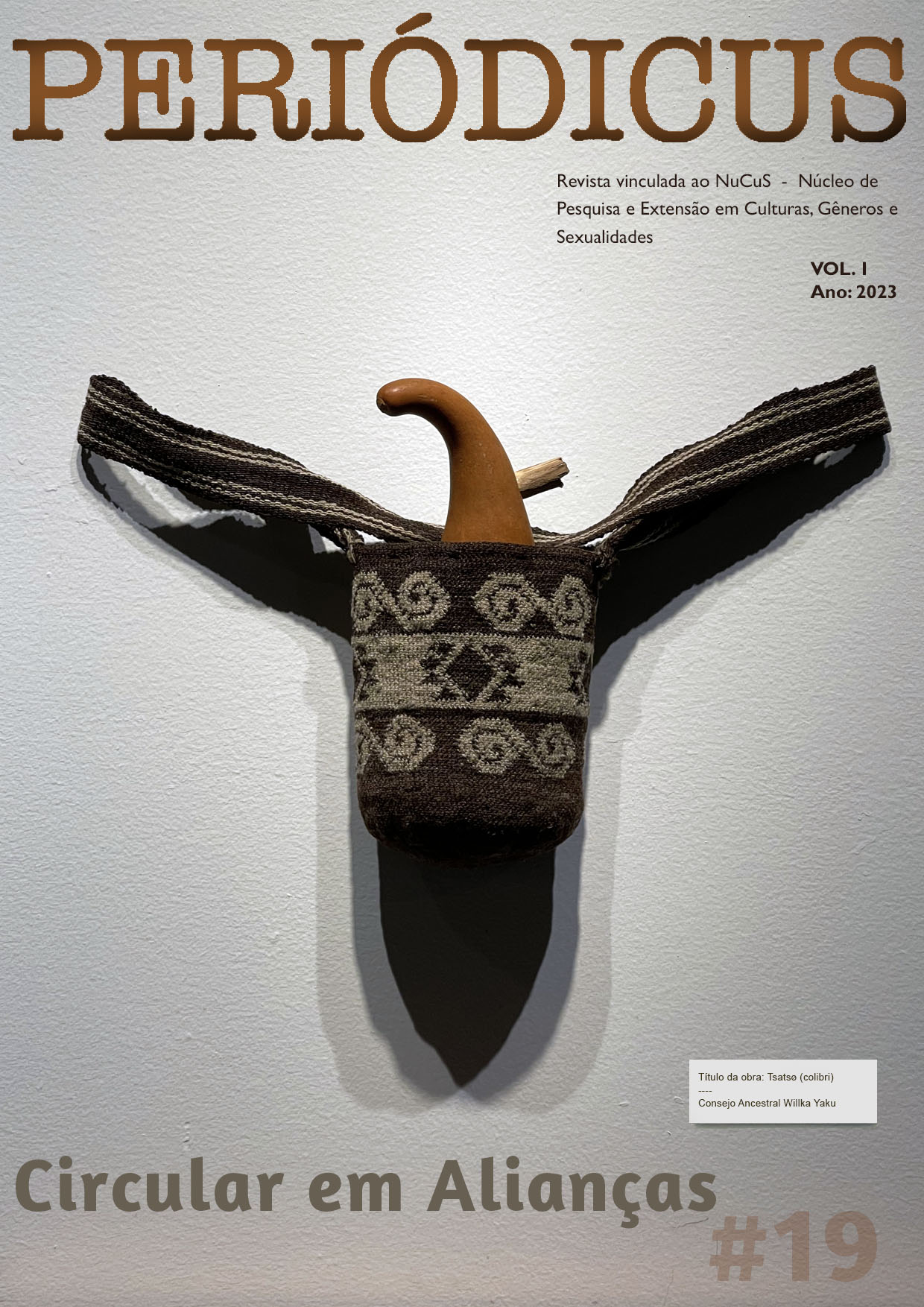
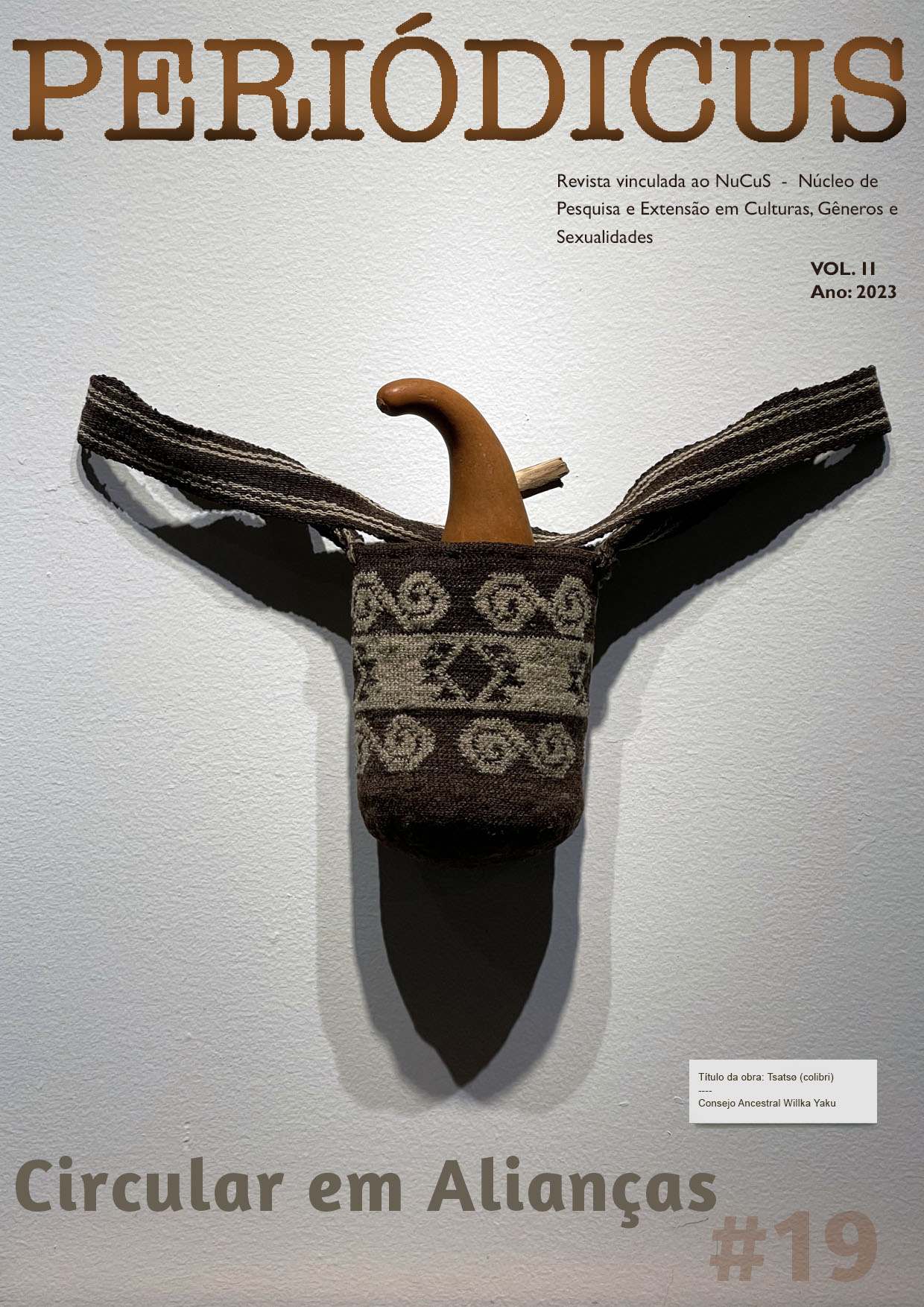
Moving between worlds is not a totalizing phenomenon. We circulate with and within inequalities, clashes and violences. How do alliances highlight and find openings to amplify the articulation of resistances and ways of collaborating with dignity? This question is the starting point of this call.
Monocultures devour the pluriverse – the world where many worlds fit, as the Zapatista movement names it – and generate processes of alienation from the land that affect us all, but not in an equivalent way. Devastation generates contacts, forced migrations, and the need to create networks to articulate the struggles over land and water – understanding land and water as living for different worlds, peoples, cosmologies, ways of life and modes of production. We want to make this number a space for sharing knowledge about the possibilities and challenges of collaboration taking into account different positionalities within a land-destroying system that hierarchizes bodies, territories and epistemologies.
How do bodies and collectives move and connect by land and social networks, via clouds (by plane) and the cloud (by submarine cables)? How do songs, dances, and other expressive practices and forms of collectivity give meaning to connections and practices of care?
We are specially interested in methodological reflections between territories, struggles and thinking-feelings that consider ecology and the formation of alliances in an anti-racist and feminist way. We are also interested in narratives that exceed the separation between theoretical elaborations and the processes from which they are born.
Editorial organization:
Maria Fantinato G. Siqueira, doutora em Música, Universidade Columbia / pós-doutoranda no departamento de Antropologia Cultural, Universidade Duke.
Camila Nobrega R. Alves, doutoranda na Divisão de Gênero do departamento de Ciência Política da Universidade Livre de Berlim / Jornalista transmídia
Vered Engelhard, doutorande e professore bolsista (teaching fellow) no departamento de Estudos Culturais Latinoamericanos e Ibéricos na Universidade Columbia / artista independente
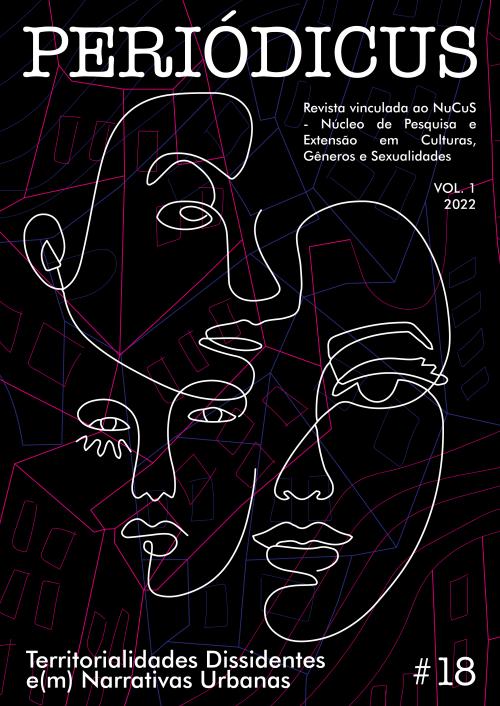
The purpose of this dossier is to bring together researchers and people interested in understanding the interfaces between space and expressions of dissident genders and sexualities, emphasizing the visibility and the act of appearing in public as a fundamental presupposition for the (de)construction of discourses around the body, its subjectivities and its territorialities in the urban space. We are interested in observing the many configurations of gender and sexuality and their transits, having the spaces implied in the performative action of transitory identities that destabilize social norms and visibility regimes.
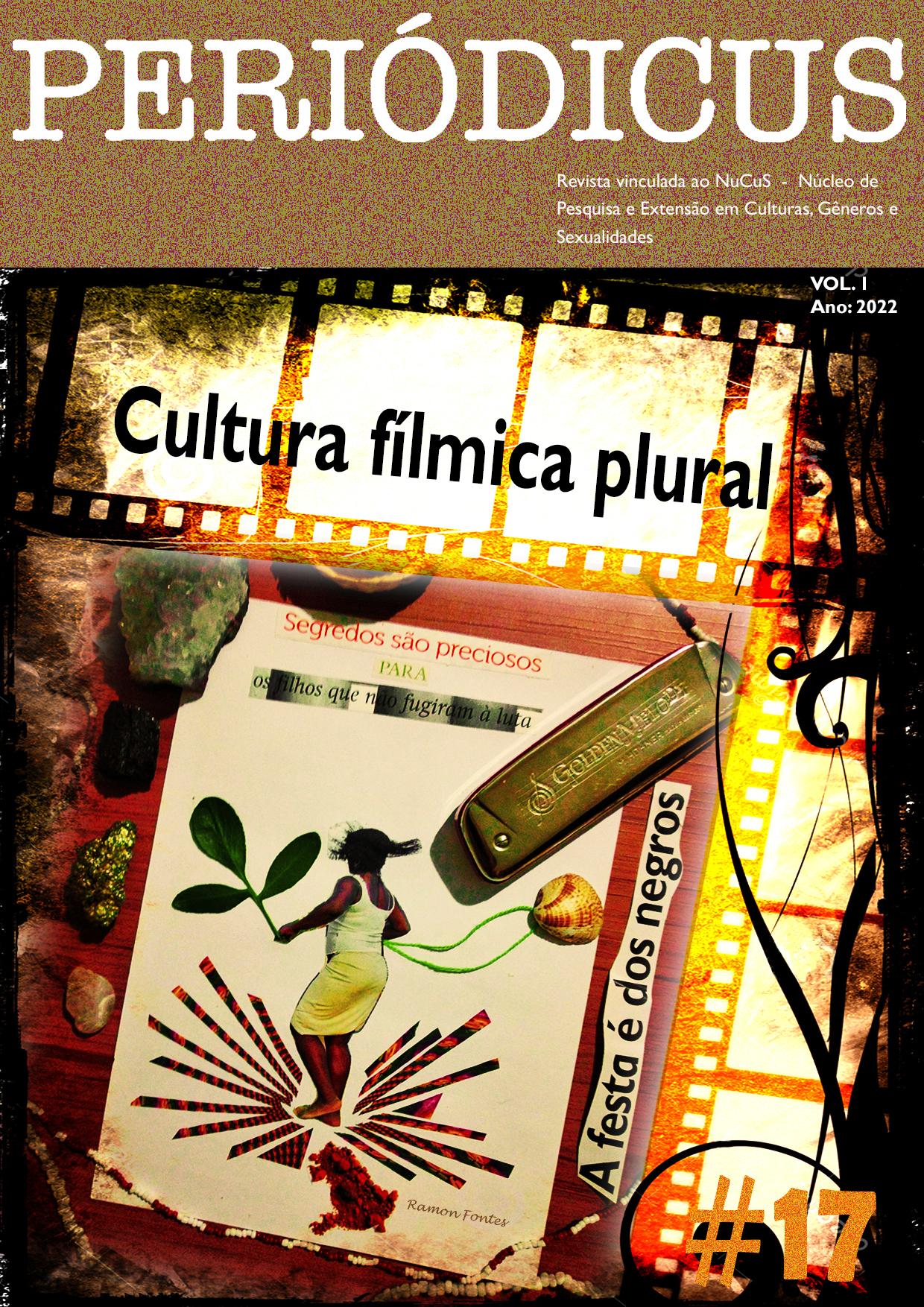
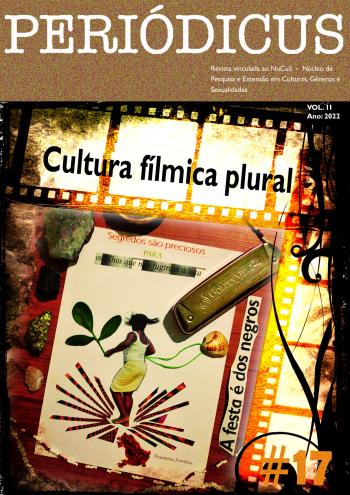
The traditional discussion of cinephilia, with its canons and developments in the field of cinema - and which reverberate in the realization, critical practice, curatorship, teaching and research on films - was based almost exclusively on the perspective of a "universal subject" : white, male, cis and hetero normative and, therefore, in the greater legitimacy of this subject's gaze. A plural filmic culture encompasses reflections that refuse to hierarchize the many different cosmovisions and poetics possible of articulation in images and sounds and in the elaboration of theories and thoughts.
This dossier opens up to articles that engage in the task of expanding the possibilities of understanding film culture, imagining paradigms for its multiple aspects, in a widening of circumscriptions beyond the “universal” canons. Interdisciplinary reflections with the field of cinema are encouraged. Among the ideas that drive our debates, we highlight: Feminist Black Poetics by Denise Ferreira da Silva, New Filmic Culture by Girish Shambu, Critical Fabulation by Saidiya Hartman, Spiral Temporalities and Afrographs by Leda Maria Martins, Aquilombamento by Beatriz Nascimento, Opacity by Édouard Glissant, Cognitive Plantation of Jota Mombaça, among others. We hope to establish a dialogue between these and other non-hegemonic epistemological incursions. Texts that articulate from issues caused by black, indigenous, female, lgbtqia+ cinematographies, among others, will be welcome.